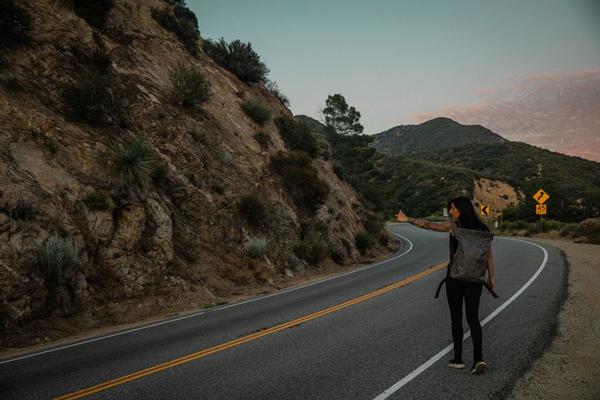

Traveling alone across the United States can feel thrilling and intimidating, especially when every decision is yours. It works best when you build a trip around practical choices, clear boundaries, and flexibility. This solo female travel USA guide explains how to explore independently while staying prepared, connected, and comfortable.
Choose a Destination That Matches Your Confidence
Your first solo trip does not need to be a cross-country journey. A compact city with reliable public transportation, central neighborhoods and daytime attractions can be easier than a remote road trip. Washington, D.C., Boston, Chicago, San Diego, and Portland, Maine, are female travel destinations with museums, tours, restaurants, and visitor-friendly areas. Conditions vary by neighborhood and time of day, so research the exact area where you plan to stay.
Lists of the safest cities for women can provide ideas, but they should not replace local research. Read recent accommodation reviews, check the walking route between your hotel and transit stops, and plan your arrival before booking. A well-rated hotel beside a busy station may be more practical than a cheaper property requiring a long walk through quiet streets after dark.
Create a Simple Safety System
The most useful solo female travel tips are small habits repeated consistently. Share your itinerary, accommodation details, and transport plans with one trusted person. Set an expected check-in time each day, but avoid posting your live location publicly. Save emergency contacts offline and keep screenshots of booking confirmations in case your phone loses service.
Try to arrive during daylight so you have time to understand the area, find your accommodation, and ask staff about local transport. When using a taxi or rideshare, confirm the vehicle, license plate, and driver details before entering. Keep your belongings with you and end the ride in a public place if the route or situation makes you uneasy.
Use the Two-Option Rule
For every important journey, identify a backup. If the subway closes, know which bus or licensed taxi service you will use. If a trail is shut, choose a nearby museum or guided activity. This reduces pressure because you are not forced to make rushed decisions when plans change.
Pack Light and Keep Essentials Accessible
A manageable bag makes airports, stations, stairs, and city streets easier. Keep identification, payment cards, medication, a phone charger, and one change of clothes in your carry-on. Travelers flying within the United States should confirm that their identification is accepted by the Transportation Security Administration. Since May 7, 2025, a state-issued license that is not REAL ID compliant is no longer accepted at TSA checkpoints, although passports and other approved identification may be used.
TSA’s carry-on liquids rule generally limits liquids, gels, creams, and pastes to containers of 3.4 ounces or less inside one quart-sized clear bag. Medically necessary liquids may be allowed in larger quantities but should be declared for screening. A power bank, reusable water bottle, light layer, first-aid items, and comfortable shoes are usually more useful than extra outfits.
For deeper preparation, review our solo travel packing checklist and how to plan a first solo trip before booking a complicated route.
Move Around Without Losing Awareness
Public transportation can help women traveling alone feel independent, but learn the basics before stepping outside. Download official transit apps, save your accommodation address, and note when the last train or bus runs. During quieter hours, wait in well-lit areas near other passengers and avoid becoming so absorbed in headphones or navigation that you stop noticing your surroundings.
Walking is often one of the best parts of exploring an American city. Choose active routes, keep your phone charged, and step into a hotel, store, restaurant, or staffed station if you need time to reorient. You do not owe strangers personal details about where you are staying or whether you are alone.
Plan National Park Visits Differently
The United States offers extraordinary national parks, but outdoor solo travel requires a separate plan. Check the official park website for weather, closures, permits, wildlife guidance, and trail conditions. Choose a route that fits your experience, tell someone where you are going and when you expect to return, and do not rely entirely on mobile service. Carry navigation, water, food, sun protection, layers, and illumination suitable for the environment.
For example, instead of choosing an isolated backcountry route, start with a popular marked trail near a visitor center. Speak to a ranger, set a turnaround time, and return before dark. You still get a memorable outdoor experience without adding unnecessary risk.
Protect Your Budget and Documents
Keep at least two payment methods in separate places and enable transaction alerts. Avoid carrying all your cash, cards, and identification in one wallet. Store secure digital copies of important documents and know how to freeze a lost card quickly.
Solo travel can cost more because accommodation is not shared. Save money by staying near public transportation, using free museums or walking tours, and booking only the first few key activities. Leaving some open time also helps you avoid paying for plans you no longer want.
Enjoy Solitude Without Feeling Isolated
Traveling alone does not mean spending every hour by yourself. Join a daytime food tour, museum tour, class, or small-group excursion when you want company. Sit at a cafe counter, attend a public event, or choose social accommodation with private rooms. Keep control of your transport and drink, and leave any interaction that becomes uncomfortable.
Confidence often grows after ordinary successes: navigating a station, eating alone, changing a reservation, or asking for help. Our best U.S. city breaks for solo travelers can help you choose a trip that suits your pace rather than someone else’s idea of adventure.
Frequently Asked Questions
Is the USA safe for solo female travelers?
Many women travel successfully across the United States alone, but safety varies by neighborhood, activity, weather, and time of day. Research current local conditions, choose well-reviewed accommodation, maintain a check-in plan, and trust your instincts.
What is a good first destination for a woman traveling alone?
Look for simple airport transfers, reliable transit, busy visitor areas, and activities you enjoy. Washington, D.C., Boston, San Diego, and Portland, Maine, are worth researching based on your budget and preferred season.
Should I rent a car for a solo USA trip?
A car is useful for rural areas and some national parks, but it adds parking costs, navigation pressure, and long driving hours. A transit-friendly city may be easier for a first trip. When driving, plan fuel stops, avoid arriving in unfamiliar places late at night, and keep roadside assistance details available.
How can I feel less nervous before traveling alone?
Start with a short trip, book the first night’s accommodation and arrival transport, practice using offline maps, and create backup options. Nervousness becomes more manageable when the trip is divided into small decisions.
Travel With Preparation, Not Fear
A successful solo journey is not measured by how far you travel or how boldly you behave. It comes from choosing destinations that suit you, staying aware without becoming anxious, and giving yourself permission to change plans. With thoughtful preparation, clear boundaries, and realistic expectations, exploring the USA alone can be empowering, enjoyable, and deeply personal.