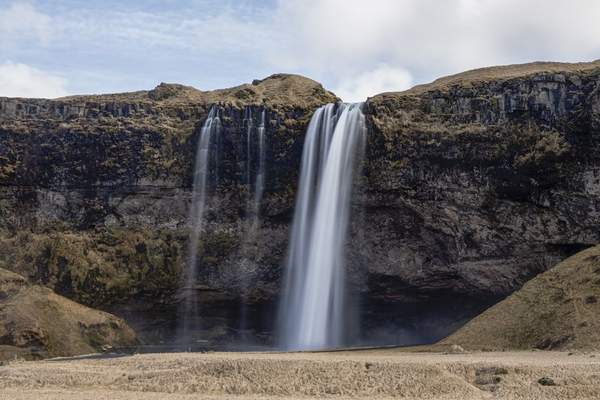

Choosing the best time to visit Iceland depends on what you want most from the trip. If the Iceland Northern Lights are the priority, bright summer nights work against you. If your dream is driving the Iceland ring road with long sightseeing days, winter adds avoidable difficulty. The smartest approach is to match the season to the experience, then leave enough flexibility for Iceland weather to change the day’s plan.
Best time to visit Iceland at a glance
For many first-time visitors, June through August offers the easiest conditions: very long daylight, relatively mild weather, and broad access to seasonal activities. September is an excellent compromise because darkness returns for aurora viewing while daytime road trips are still practical. March also works well for winter scenery and Northern Lights without the shortest days of midwinter.
If aurora hunting is your main goal, plan between September and April. Official Iceland tourism guidance identifies this as the core Northern Lights season because the nights are dark enough for viewing. Clear or partly clear skies are just as important as solar activity, and sightings are never guaranteed, so give yourself several nights rather than relying on one evening.
Best time for the Iceland Northern Lights
The aurora can occur year-round, but it must be dark enough to see. Iceland’s bright summer nights make May, June, and July poor choices for a Northern Lights-focused trip. Useful darkness returns from late August into September, while the main viewing season continues through winter and into April.
September and October
Early autumn is especially appealing because you can combine dark evenings with useful sightseeing hours. September usually provides the best balance: nights are long enough for aurora watching, yet daytime driving is less restrictive than in winter. October brings longer nights, but weather can become more unsettled and road conditions more variable.
November through February
Midwinter gives you long dark evenings and snow-covered landscapes, but more darkness does not guarantee more aurora. Cloud can hide the sky, storms can disrupt driving, and short days reduce the time available for waterfalls, beaches, and longer routes. Choose these months because you want a winter trip as well as a chance to see the lights.
March and early April
March is a practical middle ground. Daylight increases quickly while nights remain dark enough for aurora viewing. Early April can still work too, although the usable night window becomes shorter as spring advances.
A good aurora strategy is to keep at least two or three evenings flexible. Check cloud cover, dress for cold nighttime conditions, and be willing to move away from local cloud or city light when roads are safe.
Best time for easier sightseeing and Iceland weather
Summer is generally the simplest season for travelers who want long driving days and fewer winter complications. June, July, and August bring the mildest overall conditions and exceptionally long daylight. From roughly mid-May to mid-July, the midnight sun keeps nights bright, which can be a major advantage for photographers and road trippers.
The trade-off is demand. Summer is Iceland’s busiest period, so accommodation and rental cars should be booked ahead. Popular South Coast and ring-road stops can feel crowded. Long daylight gives you a useful workaround: visit major sights early or later in the evening instead of following the busiest midday pattern.
Best time to drive the Iceland ring road
For a relaxed full loop, late May through September is the most forgiving window. The Ring Road is a major route, but conditions can change quickly. In winter, snow, ice, wind, poor visibility, and temporary closures can make driving difficult. Highland F-roads are separate from the Ring Road and generally open only during summer when conditions allow.
For example, if you have eight days in September, plan seven days of sightseeing and keep one day unassigned. If strong wind delays a South Coast drive, that buffer can save the rest of your itinerary. In Iceland, one flexible day is often more useful than squeezing in one extra attraction.
What each season is best for
Spring: April to May
Spring suits travelers who want increasing daylight and fewer peak-summer crowds. April may still offer late aurora chances, while May brings much brighter nights. Winter conditions can linger, so keep driving plans flexible.
Summer: June to August
Summer is best for first-time road trips, long hiking days, waterfalls, coastal scenery, and travelers who want to cover more ground. It is not the right season if the Northern Lights are essential. An eye mask is useful because the bright nights can make sleeping surprisingly difficult.
Autumn: September to October
Autumn is the sweet spot for travelers who want both daytime exploration and aurora potential. September is particularly versatile. October offers darker nights but a greater chance of winter-like weather affecting driving.
Winter: November to March
Winter delivers snow, dark skies, ice-cave season, and strong aurora potential, but it rewards slower travel. Instead of racing around the whole country, consider focusing on Reykjavik, the Golden Circle, and the South Coast or another smaller region.
How to choose the right month
Choose June or July for maximum daylight and straightforward road-trip planning. Choose September for a strong mix of sightseeing and Northern Lights potential. Choose March for winter scenery with more daylight than midwinter. Choose deep winter only if you are comfortable changing plans around storms and short days.
When visiting Iceland, plan around drive time rather than distance alone. Stops at waterfalls, beaches, and geothermal areas add up quickly. Check official weather and road information before longer drives, and leave enough slack for a bad-weather day.
Frequently asked questions
What is the best month to visit Iceland?
September is one of the best all-round choices because it combines useful daylight, shoulder-season travel, and the return of dark nights for aurora viewing. June and July are better if long road-trip days matter more than Northern Lights.
What month is best for the Northern Lights in Iceland?
There is no guaranteed single best month. The main viewing season runs from September through April, and clear skies are essential. September, October, March, and early April are attractive if you want to combine aurora nights with daytime sightseeing.
When is the cheapest time to visit Iceland?
Costs vary by flight market and accommodation demand, but late autumn, winter outside major holiday periods, and parts of spring can offer better value than peak summer. Compare the whole trip rather than airfare alone.
Can you drive the Ring Road in winter?
Yes, the main Ring Road is used year-round, but winter driving can involve snow, ice, high winds, poor visibility, and temporary closures. Travelers without winter-driving experience may prefer a shorter regional itinerary or guided excursions.
Plan around the experience you want
The best time to visit Iceland is the season that fits your main goal. Summer makes long-distance sightseeing easiest, while autumn and spring offer a valuable balance between daylight and aurora darkness. Winter can be unforgettable, but only if you treat changing weather as part of the journey rather than an interruption. Build in breathing room, watch conditions closely, and the trip becomes much easier to enjoy on Iceland’s terms.