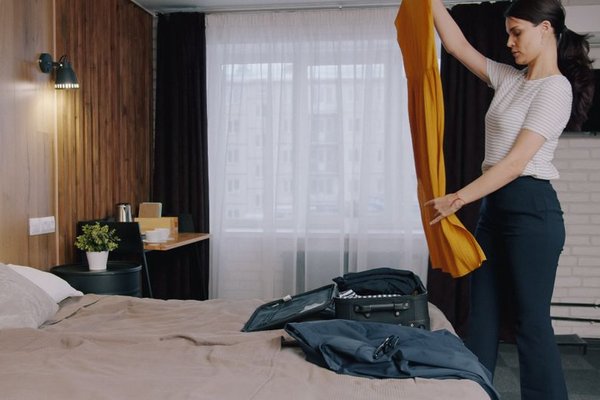

A hotel room can feel spacious at check-in and surprisingly small once the stroller, suitcases, wet swimsuits, and bedtime routines move in. The best hotel room tips for families are less about clever gadgets and more about giving everyday activities a place to happen. A few decisions in the first fifteen minutes can prevent late-night frustration.
You do not need a suite to make a hotel with kids work well. Even a standard room can function comfortably when you think about sleeping, changing, eating, and getting out the door as separate routines.
Check the Room Layout Before Unpacking
Walk through the room together. Notice where the beds sit in relation to the bathroom, entry door, windows, and air-conditioning unit. Check whether a travel crib fits without blocking the route to the bathroom or an emergency exit. If the space cannot safely accommodate your family, contact reception before unpacking.
Ask about connecting rooms, a sofa bed, or extra bedding only when those options suit the children’s ages and the property’s occupancy rules. A room advertised for four people does not necessarily offer four separate sleeping surfaces.
Create Three Simple Zones
Designate one corner for luggage, one surface for snacks and essentials, and one spot for clothes and shoes. Keep the bathroom pathway clear. Put dirty laundry in a separate bag immediately; otherwise, yesterday’s socks have a habit of joining tomorrow’s outfits.
For example, with a five-year-old and a toddler, place the stroller beside the luggage rack without obstructing a doorway, keep nappies and pyjamas in one pouch, and put tomorrow’s outfits together before dinner. No one needs to unpack two suitcases to find one shirt.
Make Sleep Easier in an Unfamiliar Space
Sleep is often the biggest challenge in a family hotel room. Check for hallway noise, light leaking around curtains, and an air conditioner blowing onto a child’s bed. Adjust the room before the children become tired, not after bedtime has gone sideways.
Bring familiar sleep cues, such as a bedtime book or usual pyjamas. A small night-light can help older children find the bathroom without switching on every lamp. If you use a white-noise machine, keep its volume low and place it away from the child.
Keep Infant Sleep Arrangements Safe
For babies, request an appropriate crib or portable play yard and inspect it before use. The sleep surface should be firm, flat, and fitted with a snug sheet, without loose blankets, pillows, or toys. Place babies on their backs for sleep in their own sleep space, not an adult bed. Keep the crib away from blind cords, windows, lamps, and cables.
Do not improvise a baby bed with sofa cushions, folded towels, or an armchair. If the hotel cannot provide a suitable sleeping space, ask about alternatives.
Do a Child-Height Safety Check
Hotel rooms are designed for many guests, not necessarily curious toddlers. Before letting young children explore, get down to their eye level. Look for small objects under furniture, loose cords, unstable lamps, glassware, and furniture that invites climbing.
Move medicines, toiletries, batteries, coins, and sharp items into a secure place children cannot reach. Check that balcony and connecting doors latch correctly. Keep furniture away from window-covering cords and never rely on window screens to prevent falls. If something dangerous cannot be secured, ask the hotel for help or another room.
Explain the exit plan to older children. Never leave young children alone in the room, even while collecting food from the lobby.
Set Up a Small Snack and Drink Station
A little organization avoids crumbs across the beds. Use a desk or counter for refillable water bottles, sealed snacks, wipes, and a small rubbish bag. Choose foods suitable for each child’s age and choking-risk needs, and follow allergy restrictions. Refrigerate perishable foods when required; a minibar is not automatically cold enough for safe food storage.
Before buying groceries, check for a working refrigerator, kettle, or microwave and what the hotel permits. Keep hot drinks and appliances out of reach. A family staying three nights might bring shelf-stable cereal, fruit, and washable cups, then use hotel dining facilities for food needing cooking.
Make Bath Time Less Complicated
Inspect the bathroom before the first bath. Some hotels have only a shower, while others offer slippery tubs or high sides awkward for toddlers. Request a nonslip mat if available and test the water temperature before a child enters.
Keep towels and clean clothes within reach so you do not need to step away. Never leave a baby or young child unattended in a bath, even briefly. For a child who dislikes unfamiliar showers, a quick wash with a washcloth may be easier than a full bath after an exhausting day.
Hang wet swimsuits and towels where permitted, away from electrical outlets and heaters. Request fresh towels rather than letting damp piles spread through the sleeping area.
Use an Evening Reset to Beat Clutter
The most useful hotel stay tips often involve a five-minute reset. Before lights out, discard wrappers, put shoes near the door, refill the nappy pouch, and move charging cables out of reach. Keep one small bag ready with anything needed during the night.
Let school-age children handle simple tasks, such as putting books in a backpack. Traveling with children becomes easier when everyone knows where frequently used things belong.
For longer trips, a family travel packing list helps prevent duplicate items. Advice on choosing a family-friendly hotel is useful before booking; after arrival, room setup matters more than marketing photographs. Families with infants may also appreciate a separate guide to traveling with a baby.
Frequently Asked Questions
How can a family sleep comfortably in one hotel room?
Confirm the beds and occupancy limits, clear floor space, and keep bedtime routines familiar. Use age-appropriate sleeping surfaces and minimize light and noise without compromising safety.
What should parents check first in a hotel room?
Check door and window security, sleeping arrangements, accessible hazards, and a clear route to the exit. Then organize luggage before children scatter their belongings.
What should I pack to organize a hotel room with kids?
A laundry bag, packing pouches, refillable water bottles, wipes, and a small overnight essentials bag cover most needs. Avoid organizers that consume more space than they save.
How do you keep a small family hotel room tidy?
Give belongings fixed places, unpack only what you need, and reset the room each evening. A designated snack area contains spills and rubbish.
A More Relaxed Stay Starts Inside the Room
The difference between a stressful stay and a manageable one is often a simple room routine. Check safety first, give belongings a home, protect everyone’s sleep, and prepare for the next morning before bed. These small adjustments leave more time for the trip itself and less time hunting for missing socks.