
Every spring, travellers begin matching Yellowstone holiday dates with road openings, wildlife activity and returning visitor services. Yellowstone is open throughout the year, but the experience changes dramatically by season. A July trip offers broad road access, while January brings deep snow, limited facilities and specialist transport.
For most first-time visitors, the best time to visit Yellowstone National Park is late May to June or September. These periods usually balance accessible roads, active wildlife, pleasant sightseeing and lighter crowds than July and August. Your ideal month still depends on whether you prioritise hiking, wildlife, snow-covered scenery or road-trip convenience.
When Is the Best Time to Visit Yellowstone?
Choose late May through June for spring wildlife, powerful waterfalls and greener landscapes. Choose July or August for the widest choice of activities and the most dependable access, although crowds are at their highest. September is often the sweet spot for cooler weather, fewer families, open roads and the elk rut. Winter suits travellers who want solitude, wolves and snow rather than a conventional self-drive tour.
A useful Yellowstone travel guide must also emphasise flexibility. Most of the park lies above 6,000 feet, so snow, cold nights and sudden weather changes are possible outside winter. Yellowstone road closures can occur with little warning, particularly during spring and autumn storms. Check current National Park Service conditions shortly before travelling.
Spring in Yellowstone: April to May
Spring arrives slowly. In April, winter conditions can still dominate at higher elevations, and most roads remain closed while ploughing continues. Selected routes usually begin opening to regular vehicles in mid-April, with more sections following through May. By the Memorial Day period, most major roads are typically accessible, weather permitting.
This is one of the most rewarding periods in the Yellowstone wildlife season. Bison calves appear in the northern valleys, bears emerge from dens and migrating birds return. Lamar Valley is especially attractive for early-morning wildlife watching, though visitors must keep the required distance from all animals and prepare for icy, muddy or snow-covered ground.
May suits travellers who can tolerate uncertainty. Crowds are lower than in summer, but some campgrounds, lodges, trails and dining facilities remain closed. Pack layers, waterproof footwear and a flexible itinerary.
Summer in Yellowstone: June to August
June: Waterfalls, Wildlife and Long Days
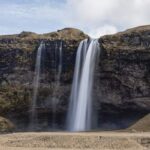
June offers an excellent mix of access and natural drama. Roads are typically open, facilities reach full operation by around mid-month, and snowmelt feeds impressive waterfalls. Wildflowers brighten the landscape, while elk and other animals continue calving. Some high-elevation trails may still hold snow, but lower-elevation hiking becomes increasingly practical.
Early June can be a good compromise before the peak holiday rush. Conditions remain variable, and nights around Yellowstone Lake can be cold.
July and August: Maximum Access, Maximum Crowds
July and August are the easiest months for a classic road trip. Nearly all visitor services and major routes are normally available, hiking choices expand, and warm afternoons make sightseeing comfortable. They are also the busiest months. Parking around Old Faithful, Grand Prismatic Spring and the Grand Canyon of the Yellowstone can fill quickly, while wildlife jams may slow travel.
Start early and avoid crossing the park several times in one day. July often brings afternoon thunderstorms, while August may bring dry conditions or wildfire haze. The bison rut adds excitement in Hayden and Lamar valleys, but animals require generous space.
Autumn in Yellowstone: September to October
September is arguably the best time to visit Yellowstone National Park for a calmer experience without giving up broad access. Days are often pleasant, nights are cool, and most roads usually remain open, subject to weather. Visitor numbers ease after the main summer period.
The elk rut is a major September highlight, particularly around Mammoth Hot Springs. Bears may become more visible before winter, while autumn colour adds appeal for photographers.
October is quieter and colder. Snow becomes increasingly likely, seasonal services close, and high-elevation roads commonly shut around mid-October. A flexible October trip can be beautiful, but it should not be planned like a summer visit.
Winter in Yellowstone: November to March
Winter transforms Yellowstone into a landscape of snow, steam and silence. It is the least crowded season, but access is restricted. The road connecting the North Entrance with the Northeast Entrance is generally the only park road open year-round to regular cars. Most other roads close to wheeled vehicles and later operate for guided snowcoach or snowmobile travel during part of winter.
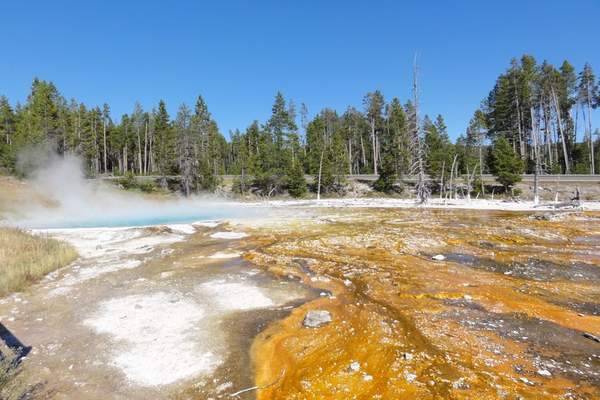
Wolves, bison, coyotes and foxes can be easier to spot against snow. Thermal areas look dramatic in freezing air, while skiing and snowshoeing provide a slower experience. Winter requires specialist transport for many areas and realistic expectations about limited services.
Yellowstone Weather by Month: What to Expect
Yellowstone weather by month varies with both season and elevation. Spring and autumn can bring mild afternoons followed by very cold nights. Summer days are often comfortable, yet temperatures can drop sharply after sunset, particularly near Yellowstone Lake and on higher ground. Winter is intensely cold with substantial snowfall.
In every season, pack layers, rain protection, sun protection, sturdy footwear and water. Summer visitors still need a warm jacket, while winter travellers require proper cold-weather clothing and emergency supplies.
How to Choose the Right Time
Visit in late May or June if wildlife and waterfalls matter most. Pick July or August if you need the fullest selection of roads, lodging and activities. Choose September for open roads, cooler temperatures, wildlife and fewer crowds. Consider October for solitude with added weather risk, and winter for a specialised snow-based adventure.
Whatever month you select, confirm Yellowstone road closures, entrance access, accommodation dates and current alerts. Distances are large, mobile service can be unreliable and closures can reshape an itinerary.
Frequently Asked Questions
What is the least crowded month to visit Yellowstone?
Winter months are the quietest overall, but most roads and services are unavailable to regular visitors. For lighter crowds with easier access, consider May before peak season or September after the summer rush.
Is June or September better for Yellowstone?
June is better for waterfalls, green scenery and young wildlife, while September often offers cooler temperatures, the elk rut and fewer summer crowds. Both months can bring sudden cold weather.
When are all Yellowstone roads normally open?
Most roads are typically open by the Memorial Day period and remain available through much of October, although exact dates vary by route and weather. High-elevation sections have shorter seasons.
How many days do you need in Yellowstone?
Three to four full days gives most first-time visitors enough time to see the geyser basins, Yellowstone Lake, the canyon and at least one major wildlife valley without excessive rushing.
Plan Around the Experience You Want
There is no single perfect month for every visitor. The best time to visit Yellowstone National Park depends on the trade-off you prefer: spring wildlife, summer convenience, autumn atmosphere or winter solitude. For the broadest appeal, late May through June and September stand out. Plan early, remain flexible and check official conditions close to departure.