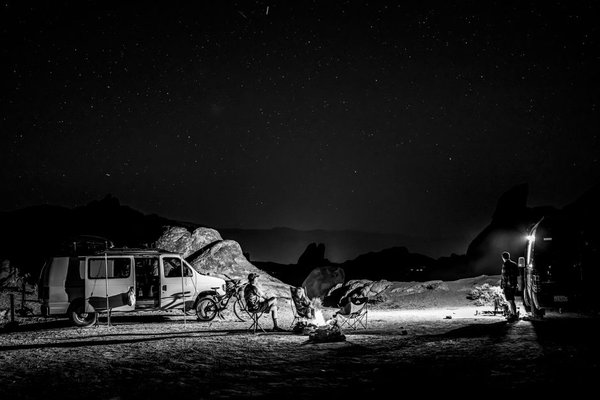

Van life looks simple from the outside: a bed, storage, a stove and an open road. Living in a van full-time or for months at a time is more demanding. The real challenge is building a small mobile system that keeps you safe, fed, rested, connected and ready when plans change.
A good van life setup starts with daily needs rather than social-media aesthetics. Before buying accessories, think through how you will sleep, cook, wash, store water, charge devices, handle waste and keep the vehicle roadworthy.
Start with the vehicle before the accessories
If you are converting a van for travel, payload, tyres, brakes, ventilation and mechanical condition matter more than decorative finishes. Batteries, water tanks, timber, kitchen units and roof equipment all add weight. Never assume that because something physically fits, it is safe to carry.
Check the vehicle’s permitted weight, tyre specifications and manufacturer guidance before building. Keep heavier items low and securely fixed. Loose equipment can become dangerous during sudden braking. Tyres should be properly inflated and inspected regularly, especially before long drives.
Build a comfortable sleeping system
Sleep affects everything from driving concentration to mood. A permanent bed needs no nightly setup, while a convertible bed can free more daytime living space. Choose based on how often you move and how much indoor space you need.
Use a supportive mattress, breathable bedding and suitable insulation, but also plan for airflow. Condensation can build quickly when people sleep, cook and dry clothing inside. Roof vents or other appropriate ventilation can make the space far more comfortable.
Plan water around real daily use
Water storage is one of the most important van life essentials. You need enough for drinking, cooking and basic washing without carrying unnecessary weight. Use food-safe containers and keep drinking water separate from grey-water storage.
Measure your actual use for several days before choosing tank capacity. Drinking-water estimates alone often understate cooking and washing needs. Carry a smaller backup container in case the main supply runs out or leaks.
Create a power system around your habits
Power needs vary dramatically. Someone charging a phone and lights needs far less capacity than a remote worker running a laptop, hotspot and refrigerator. List each device, its wattage and expected use before choosing batteries or solar panels.
A common beginner mistake is buying a large battery without planning how to recharge it. Your system may use solar, alternator charging, shore power or a combination. Use correctly rated components, proper fusing and professional help when electrical work is beyond your experience.
Treat cooking and carbon monoxide seriously
A simple kitchen can be enough: a safe cooking appliance, basic cookware, utensils, food storage and a reliable way to keep perishable food cold. Cooking fuel and combustion appliances require careful handling in enclosed spaces.
Carbon monoxide is colourless and odourless. Never run a portable generator or other fuel-burning equipment in an enclosed van. Install appropriate alarms where required and follow appliance ventilation and clearance instructions. Fire safety equipment should be easy to reach.
Choose storage that survives driving
Good van life gear earns its space. Every item should have a secure home that can cope with corners, braking and rough roads. Latching cupboards, fixed crates, packing cubes and dividers often work better than open shelves.
Keep frequently used items accessible, along with emergency equipment, water, basic tools and weather clothing. A tidy van also makes it easier to notice leaks, damage or missing supplies.
Decide how you will handle hygiene and waste
Long-term van life requires a realistic toilet, washing and rubbish plan. Some travellers rely on campsite facilities and public showers, while others install a portable toilet or compact wash system. The right choice depends on where you travel and how often facilities are available.
Know where waste can legally be disposed of. Never dump grey water, toilet waste or rubbish simply because a campsite is remote. Follow local rules and leave overnight stops cleaner than you found them.
Connectivity is part of the setup
For remote workers, reliable internet is essential van life gear. Mobile coverage changes by location, so a second network, external antenna or satellite option may be useful depending on your route and budget.
Download offline maps before entering rural areas. Keep a power bank and important booking details available even if your main electrical system or mobile signal fails.
Prepare for breakdowns and bad weather
Your home and vehicle are the same object, so a breakdown affects both transport and accommodation. Carry basic tools and emergency equipment appropriate for your vehicle, a spare key stored safely, roadside-assistance details and enough money for an unexpected repair or hotel stay.
Weather can change plans quickly. Insulation, ventilation, window coverings and suitable clothing matter year-round. Avoid driving when conditions exceed your ability or the vehicle’s limits just to reach a planned stop.
Test your setup before committing
One of the best van life tips for beginners is to take a short test trip before making the build permanent. Spend three or four nights using the van exactly as you expect to live in it. Cook meals, work from the van, refill water and follow your normal evening routine.
You may discover that a fixed table blocks the doorway, the water container is awkward to lift, or the bed conversion becomes annoying after one night. Fixing those problems early is cheaper than rebuilding after months on the road.
What new nomads often buy too early
Expensive outdoor furniture, oversized kitchen collections, decorative storage and specialised gadgets can consume money and space before you know what you actually use. Start lean, then add equipment after a genuine need appears repeatedly.
Useful related topics include choosing a campervan electrical system, planning your first long road trip and finding legal overnight parking.
Frequently asked questions
How much water should I carry in a van?
There is no single correct amount. Base it on measured daily use, refill opportunities, vehicle payload and climate. Carrying a small emergency reserve is sensible.
Do I need solar panels for van life?
Not necessarily. Solar is useful for many travellers, but alternator charging and shore power may cover your needs. The right choice depends on electrical use and how long you stay parked.
What is the most important van life safety item?
No single item replaces a safe system. Vehicle maintenance, secure loads, proper ventilation, suitable alarms, fire precautions and emergency planning all work together.
Should I build the entire van before travelling?
A basic test setup is often better. A few short trips will show you which layout and equipment choices suit your routine before you spend heavily on a permanent conversion.
Build for the life you will actually live
A dependable van life essentials guide should help you reduce problems rather than collect gadgets. Begin with vehicle safety, sleep, water, power, cooking, storage, hygiene and communications. Test each system under real conditions, keep the load secure and leave room for adjustments. Long-term van travel becomes easier when your setup is simple enough to use every day and flexible enough to handle the days that do not go to plan.