
Travel vlogging has a way of making every location feel like a potential scene. A narrow street glowing after rain, a hotel balcony at sunset, a quiet breakfast table before a long day on the road—these moments can look beautiful in real life, but the camera does not always see them the same way. Natural light changes quickly, indoor spaces can feel flat, and evening footage often turns grainy before you even realize it.
That is where portable lighting for travel vlogging becomes genuinely useful. It is not about making every shot look overly staged or artificial. Good travel lighting should feel invisible in the best way. It should help the viewer see the expression on your face, the texture of a meal, the mood of a room, or the atmosphere of a city at night without taking attention away from the experience itself.
For vloggers who are constantly moving, the best lighting gear is small, reliable, easy to pack, and quick to use. Travel rarely gives you the luxury of a perfect setup, so your lighting needs to work with real conditions, not against them.
Why Lighting Matters More Than Many Vloggers Expect
A good camera helps, of course, but even the most impressive camera can struggle in poor light. Travel vlogging often happens in unpredictable places: dim cafés, night markets, airport lounges, rental rooms, buses, trains, beaches, and streets where the sun keeps moving behind buildings. Without enough light, footage can look dull, noisy, or uneven.
Lighting affects more than brightness. It shapes mood. Soft light can make a quiet room feel calm and intimate. A small directional light can bring energy to a nighttime street scene. A warm light can make food look inviting, while harsh white light can make the same meal look cold and lifeless.
The goal is not to carry a studio in your backpack. The goal is to have enough control that your footage still feels clear and watchable when the environment is not helping you.
Compact LED Panels for Everyday Travel Shots
Compact LED panels are among the most practical options for travel vloggers. They are flat, lightweight, and usually small enough to slip into a camera bag pocket. Many can be mounted on a camera, placed on a tiny tripod, or held in the hand when needed.
The appeal of an LED panel is flexibility. You can use it to brighten your face during a hotel room intro, add light to a food shot, or soften shadows when filming indoors. Some panels allow you to adjust brightness and color temperature, which matters when moving between daylight, warm indoor lamps, and evening scenes.
For travel, a panel does not need to be large. In fact, smaller often works better. A huge light may technically look better, but it becomes annoying to carry and awkward to use in public. The best travel gear is the gear you actually use, not the gear that stays buried at the bottom of your bag.
Pocket Lights for Night Markets and Street Scenes
Pocket lights are small, often rectangular or cube-shaped lights that fit easily in your hand. They are useful for vloggers who film after sunset or in places where carrying larger equipment would feel uncomfortable.
Night markets, old streets, festivals, and late dinners can all benefit from a small pocket light. Used carefully, it can add just enough glow to your face or subject without destroying the natural atmosphere. This is important because nighttime travel footage should still feel like nighttime. Over-lighting a scene can flatten the mood and make everything look unnatural.
The trick is to keep the brightness low and position the light slightly away from the face rather than blasting it directly forward. A soft, gentle fill usually looks more natural than a bright beam. With practice, a pocket light can become one of the most useful pieces of portable lighting for travel vlogging, especially for creators who love evening scenes.
Clip-On Lights for Phone Vlogging
Many travel vloggers shoot with phones, and for good reason. Phones are easy to carry, fast to use, and less distracting in busy places. A small clip-on light can make phone footage much better, especially indoors or at night.
Clip-on lights usually attach directly to the top of a phone or phone mount. They are simple, quick, and beginner-friendly. They work well for talking clips, quick updates, food videos, room tours, and short social media content.
The downside is that clip-on lights can sometimes look a bit direct if they are too bright. They are best used softly, not at full power unless the space is very dark. A small adjustment in angle or brightness can make the difference between natural-looking footage and footage that feels too harsh.
For travelers who prefer minimal equipment, a clip-on light is often enough. It may not replace a larger setup, but it can save a shot when the light is fading and there is no better option nearby.
Mini Ring Lights for Close-Up Talking Clips
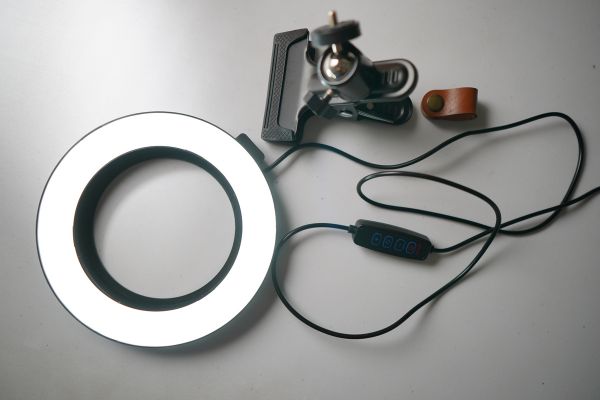
Ring lights became popular for a reason. They create even light on the face and reduce harsh shadows, which can be helpful for direct-to-camera videos. For travel vloggers, mini ring lights are useful when filming in hotel rooms, hostels, apartments, or indoor spaces where the lighting is uneven.
A mini ring light is not always the most natural-looking choice for outdoor travel scenes, but it can be excellent for sit-down updates, packing videos, skincare routines, travel reflections, or quick explanations at the end of the day.
The key is to avoid making the light too obvious. A soft setting usually looks better than a bright one. If the ring light allows color temperature control, matching it to the room can also help. Warm light often feels more comfortable in hotel rooms at night, while cooler light may work better near a window during the day.
Small Softboxes and Diffusers for a More Natural Look
Soft light is flattering because it spreads gently rather than hitting the subject too sharply. In travel vlogging, softness can make footage look calmer and more polished without feeling fake. The challenge is that traditional softboxes are too bulky for most travelers.
Fortunately, small foldable diffusers and mini softbox attachments can help. These tools soften the light coming from an LED panel or pocket light. They are especially useful when filming faces, food, interiors, or product-style shots during travel.
A diffuser may seem like a small detail, but it can change the entire feeling of a clip. Without it, a small LED can create sharp shadows. With it, the same light can feel more like natural window light. For vloggers who care about a gentle, cinematic look, a tiny diffuser is worth the little space it takes.
Flexible Tripods and Light Mounts
Lighting gear is only useful if you can place it properly. Holding a light in one hand while filming with the other can work for a quick clip, but it quickly becomes awkward. A flexible mini tripod or lightweight mount makes a big difference.
Flexible tripods can wrap around chairs, balcony rails, tree branches, or suitcase handles. Small magnetic mounts can attach to certain metal surfaces. Even a simple tabletop tripod can help you place a light at face level while recording a travel update.
Good placement often matters more than expensive equipment. A modest light positioned well can look better than a powerful light used badly. For travel vlogging, being able to set up quickly in a hotel room, café corner, or rental apartment can save both time and frustration.
Choosing the Right Color Temperature
Color temperature is one of those details that sounds technical at first but becomes easy to understand once you notice it. Warm light looks golden or yellow, like lamps and candles. Cool light looks bluish or white, like daylight on a cloudy morning.
When your light does not match the environment, footage can feel strange. For example, using a very cool light in a warm restaurant may make your face look separate from the scene. Using a warm light outside during daylight can also look unnatural.
Many portable lights allow adjustment between warm and cool tones. This is helpful because travel locations change constantly. A good habit is to look at the existing light first, then adjust your portable light to blend in. The aim is not perfection. It is simply to make the scene feel believable.
Battery Life and Charging While Traveling
Portable lighting is only helpful when it is charged. Travel days can be long, and power outlets are not always available when you need them. Battery life should be a serious consideration when choosing lighting gear.
USB-C charging is especially convenient because many travelers already carry compatible cables and power banks. A light that can be charged from the same power bank as your phone or camera is easier to manage on the road.
It also helps to build a small charging routine. Charging lights at night, checking battery levels before leaving the hotel, and carrying one spare cable can prevent small problems from interrupting a shoot. These habits are not glamorous, but they keep your footage from depending entirely on luck.
Keeping Your Travel Setup Simple
It is easy to overthink gear. There is always another light, another mount, another accessory that seems useful. But travel vlogging rewards simplicity. When your setup becomes too complicated, you may stop filming the spontaneous moments that make travel content interesting in the first place.
A practical lighting kit might include one compact LED panel, one pocket light, a small tripod, and a diffuser. Phone vloggers may prefer a clip-on light and a flexible mount. The right setup depends on your style, your camera, and how much weight you are willing to carry.
The best portable lighting for travel vlogging should support the story, not slow it down. If a piece of gear makes filming easier, it earns its place. If it creates stress every time you pack, it probably does not belong in your bag.
Conclusion
Travel vlogging is built around movement, surprise, and imperfect conditions. You cannot control every sunset, every hotel room lamp, or every dim restaurant corner, but you can carry a little control with you. Portable lighting helps turn difficult scenes into usable footage while keeping the atmosphere of the place intact.
The most useful lighting gear is not always the biggest or most expensive. It is the light that fits your travel rhythm, works quickly, and helps your footage feel clear without looking forced. Whether you use a compact LED panel, a pocket light, a clip-on phone light, or a small diffuser, the purpose stays the same: to let the viewer see the moment as you experienced it.
Good lighting does not have to steal attention. When done well, it simply makes the story easier to feel.