
Traveling Lighter Without Losing Comfort
Travel has a funny way of revealing our habits. At home, we may drink from the same glass, carry a favorite tote, refill a bottle without thinking much about it. Then we travel, and suddenly everything becomes disposable. Airport coffee cups, plastic water bottles, tiny hotel toiletries, takeaway containers, single-use wipes, snack wrappers, and shopping bags appear almost automatically.
Reusable travel products are a simple way to slow that pattern down. They are not about packing a perfect zero-waste suitcase or making travel feel difficult. Most travelers are not looking for more rules while moving through airports, train stations, and unfamiliar streets. The real goal is easier than that: carry a few useful things that help reduce waste, save money in small ways, and make the journey feel more intentional.
When chosen well, reusable items do not feel like extra baggage. They become part of the rhythm of travel.
Why Reusables Matter More On The Road
Waste feels different when you are away from home. A plastic bottle tossed into a bin at a hotel may disappear from sight, but that does not mean it disappears from the destination. Many popular travel places, especially islands, mountain towns, rural areas, and busy tourist centers, struggle with waste management. A visitor may stay for three days, but the waste from that visit can remain much longer.
Reusable travel products help because they reduce the small throwaway moments that happen again and again. One bottle refill may not seem important. One cloth bag may feel ordinary. But over a week, a month, or several trips, those choices add up.
There is also a mindset shift. Carrying reusable items makes a traveler more aware of what they consume. You start noticing refill stations, local markets, water access, food packaging, and how a destination handles resources. That awareness can change the way you move through a place.
The Reusable Water Bottle As A Travel Essential
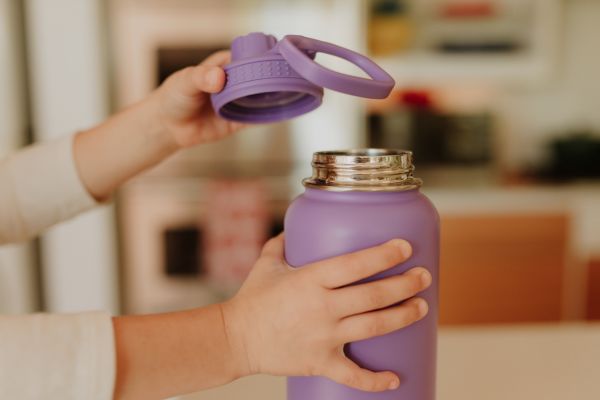
A reusable water bottle is probably the most practical starting point. It is useful in airports, city walks, hikes, road trips, and long bus rides. In places where tap water is safe, it can reduce the need to buy bottled water every few hours. In destinations where tap water is not recommended, a filtered bottle or purifier can be helpful, depending on the region and type of travel.
The best travel bottle is not always the biggest or most stylish one. It is the one you will actually carry. For some people, that means a lightweight bottle that fits into a side pocket. For others, an insulated bottle is worth the extra weight because it keeps water cool during hot days. Collapsible bottles can work well for minimalist packers, though they are sometimes less pleasant to drink from.
The point is simple: hydration should not require a new plastic bottle every time.
Coffee Cups And The Daily Travel Ritual
Coffee and tea are part of travel for many people. A morning cup before catching a train, a warm drink on a rainy afternoon, a quick takeaway while exploring a new neighborhood. These little rituals are lovely, but they often come with single-use cups and plastic lids.
A reusable cup can make that habit less wasteful. It does not need to be large or complicated. Some travelers prefer a compact cup that folds down. Others like a sturdy insulated tumbler that can handle rough movement in a bag. The key is choosing something easy to clean and leak-resistant enough for real travel, not just a tidy desk at home.
Of course, there will be moments when using it is not possible. That is fine. Sustainable travel is not ruined by one paper cup. It is shaped by the choices repeated most often.
Reusable Bags For Markets, Laundry, And Everyday Surprises
A small reusable bag may be one of the most underrated items in a travel pack. It works for groceries, street market finds, beach clothes, dirty laundry, picnic food, books, and those random extra things that somehow appear during a trip.
Unlike bulky shopping bags, a good travel tote folds into almost nothing. It can stay in a daypack or jacket pocket until needed. In many destinations, plastic bags are still handed out quickly, especially at small shops and markets. Having your own bag makes it easier to say no without making a scene.
Reusable produce bags can also be useful for travelers who buy fruit, bread, snacks, or small local ingredients. They are especially helpful for slow travel, apartment stays, and road trips where food shopping becomes part of the experience.
Food Containers And Cutlery For Less Wasteful Eating
Food is one of the best parts of travel, but takeaway meals can create a surprising amount of waste. Plastic forks, foam boxes, sauce packets, paper napkins, and lids gather quickly. A lightweight food container and a simple cutlery set can reduce some of that, especially for travelers who often eat on the move.
This does not mean carrying a full kitchen. A compact container can hold leftovers, snacks, fruit, or a market lunch. A spoon or spork can replace disposable cutlery. A cloth napkin or small handkerchief can stand in for paper napkins and emergency tissues.
These items are especially useful on train journeys, hikes, budget trips, family travel, and long sightseeing days. They also make travel feel a little more prepared, in a good way. There is something satisfying about eating a simple lunch outdoors without leaving a pile of packaging behind.
Toiletries Without The Tiny Plastic Bottles
Hotel toiletries may look harmless because they are small, but that is exactly the problem. Tiny shampoo bottles, conditioner tubes, lotion containers, and wrapped soaps create a lot of plastic waste across the travel industry.
Reusable travel toiletry containers are a better option for many trips. Travelers can refill them from products they already use at home. Solid shampoo bars, conditioner bars, soap bars, and toothpaste tablets can also reduce packaging and make airport security easier because they are not liquids.
The best toiletry setup depends on the traveler. Some people want a very minimal kit. Others need specific skincare or haircare products. Either way, reusable containers help avoid collecting a new set of mini bottles at every stop.
A small note matters here: reusable containers should be cleaned and dried between trips. Otherwise, they become messy, leaky, and less useful than they should be.
Reusable Travel Products For Cleanliness And Comfort
Not every reusable item is about food or drink. Some are about comfort. A washable face cloth, reusable makeup remover pads, a quick-dry towel, or a refillable sanitizer bottle can replace several disposable products over time.
Reusable masks may still be useful for crowded transport, dusty roads, or polluted cities. A small laundry soap sheet or refillable detergent bottle can help travelers wash clothes by hand, which also makes it easier to pack fewer outfits. Packing lighter is its own form of lower-impact travel because it reduces excess buying and makes movement easier.
Comfort is important. Sustainable travel should not feel like punishment. The right reusable products make travel smoother, cleaner, and more flexible.
Avoiding The Trap Of Buying Too Much
There is one quiet contradiction in sustainable shopping: buying a lot of “eco” products can become another form of overconsumption. Reusable travel products are only sustainable when they are actually used. A drawer full of bamboo cutlery sets, fancy bottles, and unused travel jars does not help much.
Before buying anything new, it is worth checking what you already own. A regular spoon from home works. So does an old tote bag, a clean jar, or a small container already sitting in the kitchen. The most responsible product is often the one you do not need to buy.
If you do buy something, durability matters. A reusable item should survive real travel: being dropped, packed tightly, washed in a small sink, and used in less-than-perfect situations. Strong, simple, repairable items usually beat trendy ones.
Making Reusables Work In Real Travel
Reusable items work best when they are easy to reach. A bottle buried deep in a suitcase will not help during a city walk. A cutlery set left at the hotel will not help at lunch. The trick is to build a small routine.
Keep the bottle in the side pocket. Put the tote in the day bag. Store the cup where it will not leak. Wash containers at night when possible. Refill before leaving the hotel or station. These are small habits, but they make the products useful instead of symbolic.
There will be awkward moments too. Some shops may not accept personal cups or containers. Some places may not have safe refill water. Sometimes convenience wins because travel is tiring. That does not mean the effort has failed. Responsible travel leaves room for real life.
A More Thoughtful Way To Pack
Reusable travel products are not a magic answer to every environmental issue connected with tourism. They will not solve over-tourism, carbon emissions, water stress, or poor waste systems on their own. But they do give travelers a practical way to reduce everyday waste and become more aware of their impact.
They also bring travel back to something more thoughtful. A bottle refilled before a walk, a bag carried through a morning market, a container used for leftovers after a local meal, these are small acts. Yet they remind us that travel is not separate from ordinary responsibility.
The best reusable items are the ones that quietly support the journey without taking it over. They help us move through the world with less waste, more attention, and a little more care for the places we are lucky enough to visit.