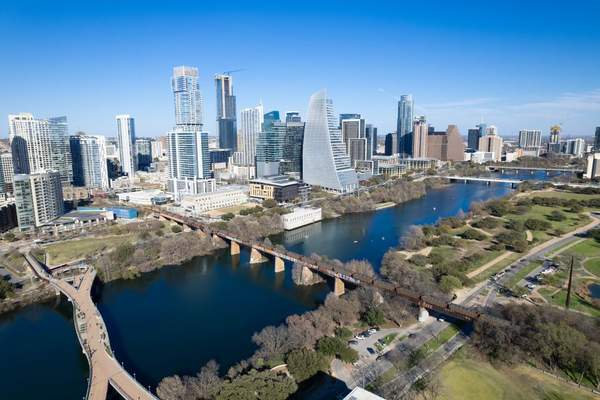

Austin has a reputation problem, and it’s a good one to have: everyone who visits seems to leave talking about moving there. Between the live music pouring out of every other doorway on Rainey Street, the breakfast tacos worth setting an alarm for, and a job market that keeps pulling in new residents, it’s no surprise this Austin, Texas travel guide gets searched year-round rather than just before spring break. Add in two of the biggest events on the American festival calendar — SXSW in March and ACL in October — and you’ve got a city that never really has an “off season,” just different versions of busy. Here’s what to know before you go, including when to actually book your trip and how to enjoy the Austin attractions everyone talks about without getting swallowed by the crowds.
Best Time to Visit Austin
Austin weather is hot, humid, and honest about it — summers regularly push past 95°F, and by July the heat isn’t something you plan around so much as something you surrender to. If you want the city at its most comfortable, aim for late March through May or October through early November. Temperatures sit in the 70s and low 80s, the parks are green, and patio season is in full swing.
Spring (March–May)
Spring is arguably the sweet spot for visiting Austin, Texas, especially once SXSW wraps up in mid-March. Bluebonnets carpet the highway medians, outdoor swimming holes like Barton Springs become genuinely pleasant, and the heat hasn’t turned punishing yet.
Summer (June–August)
Summer belongs to the pool crowd and the AC-loving indoor crowd in roughly equal measure. It’s peak season for lake trips to Lady Bird Lake or Lake Travis, but plan outdoor sightseeing for early morning or evening — midday heat is no joke.
Fall (September–November)
Fall brings ACL Festival at the start of October and temperatures that finally start easing off by late in the month. This is a favorite stretch for locals themselves, which tells you something.
Winter (December–February)
Winter is mild by most standards — light jacket weather more often than not — and it’s also the quietest, cheapest time to visit if festivals and crowds aren’t your thing.
Top Austin Attractions
Austin attractions skew toward the outdoorsy, the musical, and the slightly odd, which is exactly the combination that makes the city fun to explore.
Barton Springs Pool
A spring-fed pool that stays around 68–70°F year-round, right in the middle of Zilker Park. It’s as close to a local rite of passage as Austin has.
South Congress Avenue (SoCo)
Boutique shops, food trailers, live music spilling out of bars, and the famous “I Love You So Much” mural — SoCo is where a lot of first-time visitors end up spending an entire afternoon without meaning to.
Texas State Capitol
Free to tour and genuinely impressive — it’s actually taller than the U.S. Capitol in Washington, D.C. Worth an hour even if you’re not usually a “government building” tourist.
Lady Bird Lake Hike-and-Bike Trail
A 10-mile loop through downtown that’s popular with runners, cyclists, and paddleboarders. Renting a kayak here at sunset is one of the more underrated things to do in the city.
Congress Avenue Bridge Bats
From roughly March through November, 1.5 million Mexican free-tailed bats emerge from under the bridge at dusk. It sounds like a niche attraction until you actually see it — then it becomes the thing you tell everyone about.
Live Music Venues
Austin calls itself the Live Music Capital of the World for a reason. The Continental Club and Antone’s are two long-running spots, but honestly, you can walk down Sixth Street or Rainey Street on almost any night and stumble into something good.
Austin Festivals to Plan Around (or For)
Austin festivals are the main reason hotel prices swing so wildly throughout the year, and they’re worth understanding before you book.
SXSW (March)
South by Southwest is a massive convergence of film, music, tech, and interactive media. Hotel rates spike, downtown gets packed, and if you’re not attending the festival itself, this is a week to either avoid or lean into fully.
Austin City Limits Festival — ACL (October)
Split across two weekends in Zilker Park, ACL draws major national headliners and turns the surrounding neighborhoods into a sea of festival-goers. Book accommodations early if you’re visiting during either weekend, even if you’re not going to the festival.
Other Notable Events
Beyond the two giants, keep an eye on the Austin City Marathon (February), the Trail of Lights (December), and various food and film festivals scattered through the year that can affect crowd levels and pricing in specific neighborhoods.
Tips for Working Around Festival Crowds
If your travel dates happen to overlap with SXSW or ACL, it doesn’t mean you should cancel — it just means you should plan a little smarter. Book accommodations at least two to three months out, since prices climb fast as the dates approach. Consider staying slightly outside downtown, in areas like South Austin or East Austin, where you’ll still have easy access to attractions but skip the worst of the congestion. Restaurant reservations become essential rather than optional during these weeks, and rideshare prices tend to surge, so factor that into your budget. On the flip side, if you specifically want the festival energy, embrace it — just book everything, including flights, as early as you can.
Frequently Asked Questions
What is the best month to visit Austin, Texas?
April and October tend to offer the best combination of comfortable weather and manageable crowds, though October overlaps with ACL, so book early if that’s your target month.
Is Austin, Texas hot year-round?
No. Summers are intensely hot and humid, but winters are mild, and spring and fall both offer comfortable, pleasant temperatures.
How many days do you need to see Austin?
Three to four days is enough to cover the main attractions comfortably, though many visitors extend their trip once they get a taste of the food and live music scene.
Does Austin get crowded during SXSW and ACL?
Significantly. Hotel prices rise, downtown gets packed, and restaurant wait times increase during both festivals, so plan accommodations and reservations well in advance if you’re visiting during those windows.
Austin rewards visitors who show up with a little flexibility. Time your trip around the shoulder seasons, pick your festival involvement on purpose rather than by accident, and leave room in the schedule for the unplanned stuff — a bat-watching sunset, an unexpected band on a random patio, one more breakfast taco than you needed. That’s usually where the city actually gets you.