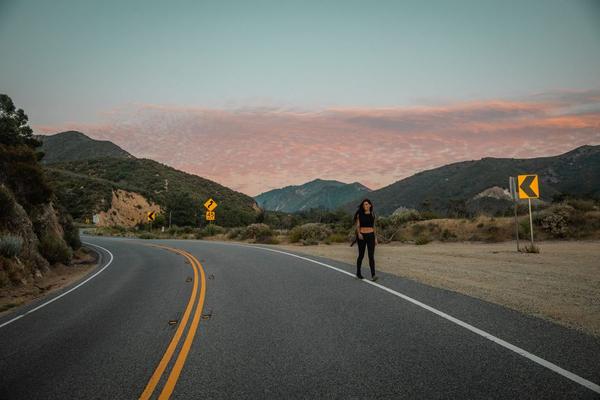

Solo travel in the United States can feel wonderfully freeing. You choose the route, set the pace, and change plans freely. The country is enormous, so risks vary between cities, highways, parks, and coastal towns. The goal is not nervousness, but a few reliable safety systems used consistently.
Build a Safety Plan Before You Leave
Create a simple itinerary with accommodation addresses, transport details, main activities, and expected check-in times. Share it with one trusted person rather than posting your full schedule publicly. Agree on a routine, such as an evening message and another after a remote hike. This makes a missed message easier to recognise.
Save secure digital copies of your identification, insurance documents, prescriptions, and booking confirmations. Keep a copy offline on your phone. Do not store every card, document, and emergency cash in the same bag; separating them reduces the impact of loss or theft.
Check identification rules before flying
Adults taking domestic flights must carry identification accepted by the Transportation Security Administration. Since May 7, 2025, a non-REAL ID-compliant state licence or identification card is no longer accepted by itself at airport security. A passport and other documents remain acceptable alternatives. Check the current TSA list before departure, especially if your identification is temporary, damaged, or close to expiring.
Choose Accommodation With Arrival in Mind
A low room rate is not a bargain if the property leaves you isolated or requires a difficult late-night journey. Review the area, recent comments, front-desk hours, building access, and arrival route. Even safe solo travel destinations contain neighbourhoods that feel different after business hours.
Schedule your first arrival during daylight when possible. For a late arrival, arrange the final journey in advance. Suppose your flight lands in Denver at 10:30 p.m. Confirm the airport pickup area, save the hotel address offline, and check that the front desk will still be staffed. That plan removes decisions from a tired, unfamiliar moment.
At check-in, avoid saying your room number aloud in a crowded lobby. Once inside, confirm that the door and windows lock. Contact the front desk if anything feels wrong. You do not need a dramatic reason to request another room; discomfort is useful information.
Use Transport Without Giving Up Control
Before entering a rideshare vehicle, match the licence plate, vehicle, and driver information shown in the app. Ask the driver whom they are collecting instead of announcing your name first. Sit in the back, keep your phone accessible, follow the route, and share trip progress when available.
When driving, plan fuel stops before long rural stretches. Keep water, a charger, basic first-aid supplies, and weather-appropriate clothing in the car. Park in well-lit areas and keep luggage out of sight.
Public transport can be practical, but solo trip safety improves when you know the last service time and correct station exit. Download the local transit app and save an alternative route or licensed taxi option.
Protect Your Phone, Money, and Personal Information
Your phone is a map, ticket wallet, and emergency tool, so protect it. Enable a strong passcode, device tracking, and two-factor authentication on important accounts. Carry a small power bank and write down one essential contact number in case the phone is lost.
Public Wi-Fi in airports, hotels, and cafés is generally safer than it once was because most websites use encryption, but sensible solo travel precautions still matter. Confirm the network name with staff, keep software updated, and avoid entering sensitive information on suspicious websites. A padlock symbol does not prove that a website itself is legitimate.
Carry two payment methods and modest cash, stored separately. Set transaction alerts. Be cautious when a stranger creates urgency around a payment, prize, booking problem, or supposed fine. Contact the company through its official app or website instead of using a link in an unexpected message.
Stay Aware Without Looking Afraid
Awareness is more useful than constant suspicion. Walk with purpose, keep headphone volume low, and step into a staffed business if you need to study directions. Avoid announcing that nobody knows where you are. When meeting someone new, choose a public place, arrange your own transport, and tell a trusted contact where you are going.
Alcohol can reduce judgement and make navigation harder in an unfamiliar city. Set a limit before going out, watch your drink, and keep enough battery and money for the journey back. The aim is to protect your ability to make decisions.
Related planning resources could naturally cover safe solo travel destinations, a first-time solo travel checklist, and choosing travel insurance.
Take Extra Care in Parks and Remote Areas
Check the official park website for weather, closures, permits, wildlife guidance, and trail difficulty. Choose an activity that matches your fitness and experience. The National Park Service advises leaving a trip plan with a trusted contact and warns that mobile service may be unavailable. Download offline maps, carry water and essential supplies, stay on marked routes, and do not treat a phone as your only emergency resource.
If plans change, update your trusted contact. In remote areas, conservative decisions are usually smartest.
Know What to Do in an Emergency
In the United States, call 911 when you need immediate police, fire, or ambulance assistance. Be ready to state your location, callback number, and the nature of the emergency. Calling is usually best. Text-to-911 is available in many communities but not everywhere, so text only when you cannot safely make a voice call.
Save relevant non-emergency numbers, your accommodation, and insurance assistance contacts. International visitors should keep embassy or consulate details. If you feel threatened, move toward people, lighting, and staffed locations rather than worrying about appearing impolite.
Frequently Asked Questions
Is solo travel in the USA safe?
Many people travel alone across the USA safely. Risk varies by location, activity, time of day, and preparation. Research each stop individually and use consistent check-ins, secure transport, and practical awareness.
What should a solo traveller carry?
Useful basics include accepted identification, two payment methods, emergency cash, medication, a charged phone, power bank, water, and copies of key documents. Outdoor trips may require navigation tools, extra clothing, food, first-aid supplies, and emergency signalling equipment.
Should I share my live location?
Sharing live location with a trusted person can help during rides, hikes, or late arrivals. Limit access to people you trust and avoid broadcasting your real-time location publicly.
What is the most important solo travel safety habit?
A reliable check-in routine offers exceptional value. It signals when something is wrong without making travel feel restrictive.
Travel Confidently, Not Carelessly
Good safety planning should fade into the background of the journey. Confirm the essentials, keep someone informed, protect your transport and digital access, and adjust your choices to the setting. With those habits, solo travel becomes less about fear and more about enjoying the freedom of exploring the USA on your own terms.