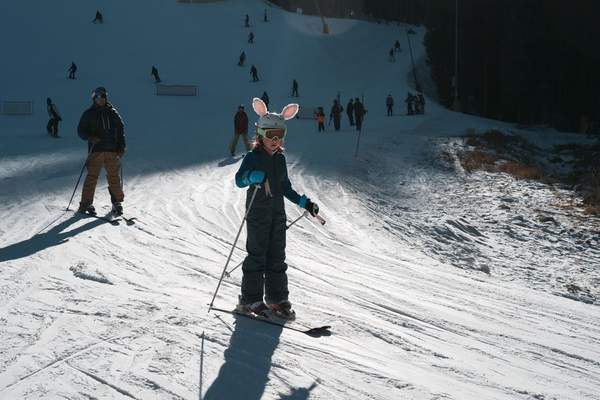

A family ski vacation with kids can be wonderful, but the best days rarely involve skiing from the first lift until closing. Between boot fittings, bathroom breaks, lessons and cold fingers, children experience the mountain differently from adults. The secret is to plan around their energy rather than your ideal number of runs. A little preparation makes the trip more enjoyable, especially if this is everyone’s first time on snow.
Choose a Resort That Makes Beginners Feel Welcome
Start with the beginner area, not the size of the mountain. A good family ski resort has gentle learning terrain, straightforward access to ski school, easy equipment rentals and somewhere warm to regroup. Look at the trail map to see whether beginners can reach lessons without navigating busy slopes or complicated lifts.
Check the distance from parking or lodging to the children’s meeting point. A short walk can feel surprisingly long while carrying skis and managing bulky winter clothing. Ask about beginner lift tickets, family pricing, indoor rest areas and non-ski activities for afternoons when everyone has had enough.
Book Kids Ski Lessons Before Everything Fills Up
For first-timers, professional instruction is often the most useful part of a ski trip with kids. Instructors can introduce stopping, turning and lift etiquette on appropriate terrain, while parents avoid becoming frustrated teachers. Children’s lesson groups are usually organized by age and ability, but minimum ages and independence requirements differ by resort.
Before booking, confirm the lesson duration, arrival time, group format, what equipment is included and whether lunch or lift access is separate. Some programs require children to use the bathroom independently. If siblings are at different levels, placing them in separate classes may help both enjoy their day.
A child who masters a gentle slope may still be exhausted after one lesson. Treat confidence and enjoyment as the goal rather than expecting independent chairlift skiing by the afternoon.
Pick Lodging for Convenience, Not Just Mountain Views
Ski-in, ski-out accommodation sounds ideal, but its value depends on whether a beginner can actually use that route. A condo near the nursery slope or shuttle stop may work better than a beautiful property connected only to intermediate trails.
Families often benefit from a kitchenette, a separate sleeping area and space to dry wet clothing. Check shuttle frequency, walking distances, stairs and where rented gear can be stored overnight. If your youngest child needs naps, staying close enough for one parent to return to the room can transform the day.
Rent Equipment That Fits Today, Not Next Winter
Renting skis, boots and poles usually makes sense for growing children and occasional skiers. Reserve ahead when possible and allow time for fitting. Tell the rental technician each child’s age, height, weight and experience accurately. Bindings and boot fit should be checked by trained staff rather than adjusted casually at home.
Ski boots should feel secure without painful pressure or numb toes. Use one pair of suitable ski socks, not several thick pairs that bunch inside the boot. Ask whether helmets are included, how exchanges work if something hurts and whether children’s beginner packages omit poles.
If you’re flying, compare checked-baggage fees with rental costs before deciding to bring equipment. It is usually easier to pack familiar clothing and rent bulky ski gear at the destination.
Dress Children for Changing Mountain Weather
Cold-weather comfort begins with layers: a moisture-managing base layer, an insulating middle layer and a weather-resistant outer jacket and trousers. Avoid cotton next to the skin because it holds moisture. Add waterproof mittens or gloves, properly fitted goggles, a helmet and warm socks.
Pack spare mittens and socks. Wet hands can end a ski day earlier than tired legs. Sunscreen and lip protection matter on bright, reflective snow days. A winter packing checklist for families can help you check clothing before departure.
Check the forecast and wind conditions each morning. If a child becomes unusually cold, numb, exhausted or confused, head indoors promptly rather than encouraging one more run.
Build a First-Day Schedule With Breathing Room
Imagine two adults taking a six-year-old and a nine-year-old to the mountain for the first time. They arrive early for rental fitting, use the bathroom before lessons and keep a snack accessible. The children attend a morning class while one parent skis and the other explores the beginner area. Everyone meets for lunch, then decides whether to try a short practice session or switch to a non-ski activity.
This schedule is more realistic than buying full-day access for everyone and hoping the children will keep going. For a longer winter family vacation, consider alternating ski-heavy mornings with lighter afternoons. Build in time for hydration, snacks, bathroom stops and an early bedtime.
Budget for the Costs Beyond Lift Tickets
Make a budget with separate lines for accommodation, travel, lift access, lessons, rentals, food, parking and possible childcare. A resort advertising inexpensive beginner passes may charge separately for instruction or rental equipment. Review cancellation policies in case weather, illness or changed plans prevent a lesson.
Compare family packages against individual bookings using the same dates and inclusions. Bringing breakfast supplies and snacks can reduce on-mountain purchases. If you’re comparing destinations, budget-friendly family vacation ideas may offer alternatives for an additional rest day.
Keep Safety Simple and Consistent
Use helmets that fit properly, follow posted signs and stay on suitable marked terrain. Teach children to stop where they are visible, respect people downhill and ask lift attendants for help when boarding or unloading. The National Ski Areas Association’s Your Responsibility Code provides a useful basis for these conversations.
Agree on a meeting place and teach children how to identify ski patrol or resort staff. Young children need active adult supervision outside their lesson program. Check the resort’s childcare policy rather than assuming ski school also provides care before or after class.
Frequently Asked Questions
What age is best for a first family ski vacation?
There is no universal starting age. Readiness depends on balance, attention, comfort in cold weather and the resort’s minimum lesson age. Preschool programs may emphasize play and snow familiarity more than continuous skiing.
How many days should we plan for a first ski trip with kids?
Two or three days on location can allow time for lessons without making every hour feel urgent. Plan for partial ski days and change activities if children are tired.
Are private or group kids ski lessons better?
Group lessons may be more economical and social. Private instruction offers individualized attention and can help when ages, confidence levels or learning needs vary. Compare availability, cost and each child’s temperament.
Do children need full-day lift passes?
Not necessarily. Some lessons include restricted beginner lift access, while other programs require a separate pass. Check the exact inclusions before purchasing to avoid paying twice.
Make Room for the Parts Kids Remember
A successful family ski vacation with kids is not measured by vertical feet or the number of trails completed. It might be the moment a nervous child makes a first turn, the hot chocolate afterward or an afternoon building snow creatures. Choose convenient facilities, fit equipment carefully and leave the schedule flexible. When children finish wanting to return, you’ve laid the groundwork for more winter trips together.