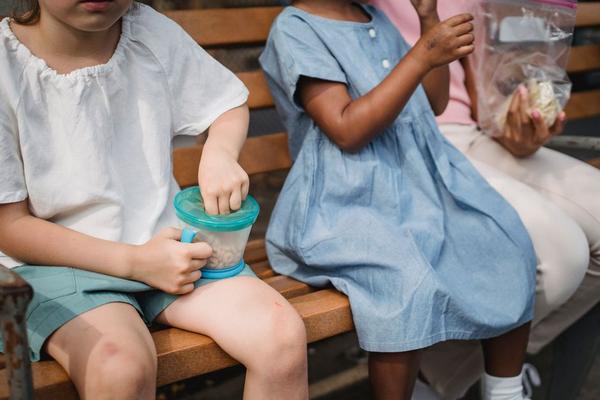

Travel days have a way of turning a perfectly ordinary snack request into an urgent family problem. One child is hungry before the car leaves the driveway; another rejects the sandwich you packed. The best family travel snacks are not elaborate recipes. They are familiar foods that survive the journey, fit into small portions, and can be served without coating every seat in crumbs.
A simple mix of filling, fresh, and just-for-fun options works across road trips, airports, hotel stays, and sightseeing days. The trick is matching each snack to the moment when you will actually need it.
Build a snack kit around the journey
Before shopping, consider how long you will be away from a kitchen, whether you can keep food cold, and how easily your children can eat each option. Pack one dependable favorite for every child, plus a few shared choices. A food they happily eat at home is usually more useful than an exciting new snack they might refuse.
Shelf-stable snacks for the main bag
Whole bananas, easy-peel mandarins, plain crackers, dry cereal, oat bars, and individual applesauce pouches are practical options when refrigeration is unavailable. Choose bars and crackers with textures appropriate for your child’s age. Keep fragile crackers in rigid containers, and check that pouches are sealed. Dried fruit and crunchy mixes may suit older children, but can be choking hazards for younger ones.
Fresh foods for a properly chilled bag
For shorter outings with an insulated bag and frozen cold packs, consider yogurt, cheese, cut fruit, or small sandwiches. Keep perishable foods at 40°F (4°C) or below. Precut fruit and dairy should not spend the afternoon in a warm backpack. If reliable chilling is unavailable, rely on shelf-stable snacks instead.
Easy family snack ideas that travel well
Something sweet without a sticky aftermath
Bananas, soft pear slices, unsweetened applesauce, and oatmeal muffins can satisfy a sweet craving without a bag of candy. Mini muffins are convenient when packed separately; choose versions that are soft and easy to chew. For toddlers, cut or soften fruit according to their developmental stage rather than assuming every bite-size piece is safe.
Something savory and more filling
Try a small tortilla roll-up, a simple sandwich, or crackers with a suitable spread packed separately. Older children may enjoy roasted chickpeas or trail mix, while younger children need softer alternatives. For travel snacks for kids, pairing a familiar carbohydrate with a little protein often feels more satisfying than handing out one sweet item after another.
Match the snacks to your travel mode
Road trip snacks: plan for actual stops
On a four-hour drive, pack a first snack for the rest stop, another for lunch delays, and an emergency backup. Put today’s portions in a small reachable bag; leave the reserve supply closed in the trunk. That prevents the entire stash from disappearing in the first hour. For babies and young children, plan safe stopping points for eating rather than serving food while the vehicle is moving. A thoughtful family road trip packing list can also help you keep wipes, water, and spare clothes close.
Airplane snacks for kids: prioritize clean hands
Airports mean queues, changing schedules, and limited access to sinks. Pack snacks in small resealable containers and choose foods that do not need cutting or dipping at the gate. A soft bar, plain sandwich, or peeled fruit is usually easier to manage than a crumbly pastry. Yogurt, puree, and other spreadable foods may be subject to airport liquid rules; check the rules for your departure airport, including exemptions for infant and toddler food, before leaving home.
Hotel days and family outings
A hotel room can become a useful reset point. Refill snack containers each morning rather than hauling the whole grocery bag to every attraction. For a museum or park visit, carry only what you expect to use before the next meal, plus one backup. If you have a refrigerator, chill fresh options overnight and confirm it is keeping food cold enough.
Portion snacks so everyone can find what they need
Small portions cut waste and make sharing easier. Give each child a labeled container or pouch with two or three choices, while an adult carries extra supplies. Separate foods that crumble from moist fruit. Keep a spare zip bag for peels and wrappers, a few napkins, and hand-cleaning supplies. When possible, wash hands with soap and water before eating.
One useful system is to sort the bag into three groups: eat first, save for later, and emergency backup. Put chilled items in the first group unless your cooler can maintain safe temperatures. This simple order is especially helpful when travel plans change and the next meal becomes unpredictable. For broader preparation, a family vacation packing checklist can help you avoid duplicating supplies.
Food safety matters more than convenience
Children should sit upright, remain supervised, and eat without rushing. The CDC identifies whole grapes, cherry tomatoes, popcorn, nuts, hard raw vegetables, and sticky chunks of nut butter among potential choking hazards for young children. Cut round foods lengthwise into suitable pieces, soften firm produce when needed, and choose textures for your child’s chewing skills. Even convenient snacks should not replace close attention while eating.
For food that requires refrigeration, the USDA advises discarding perishables left above safe cold-storage temperatures for more than two hours, or one hour when the temperature is above 90°F (32°C). A cool-looking lunch bag is not proof that food stayed cold. Use adequate frozen packs and, for longer trips, a cooler thermometer. If you are planning a full day away, consider meal planning for travel days alongside the snack supply.
Frequently asked questions about family travel snacks
How many snacks should I pack for each child?
Start with your usual snack schedule, then add a modest backup for delays. The exact amount depends on the child’s age, appetite, trip length, and access to meals. Several small servings are easier to manage than one oversized bag.
What snacks are best for a long car journey?
Choose a combination of familiar shelf-stable foods and safely chilled, more filling options. Soft fruit, crackers, sandwiches, and age-appropriate bars cover different appetites. Schedule eating breaks so younger children can snack safely while seated and supervised.
Can I take homemade snacks on an airplane?
Many solid homemade foods can be carried through airport security, but liquids, spreads, and international food-import restrictions differ. Check airport and destination rules, particularly for fresh produce, dairy, purees, and food for infants.
How do I avoid packing too much food?
Plan around meals you will actually buy or prepare, not every possible hungry moment. Pack one portion per expected snack break, add a small delay reserve, and replenish at the hotel or a grocery store when practical.
Make snack time one less travel surprise
A reliable travel snack bag does not have to be fancy. Choose foods your family already likes, keep portions manageable, protect perishables, and consider where children can eat safely. With a little planning, a delayed flight or unexpected detour becomes easier to handle without turning the day into a hunt for something edible.