
Travel has changed in quiet but dramatic ways over the last decade. People no longer carry just a phone and maybe a small camera. Modern travelers move with smartphones, wireless earbuds, tablets, smartwatches, e-readers, laptops, portable gaming devices, and sometimes even compact drones or mobile hotspots. A dead battery during a trip no longer feels like a minor inconvenience. For many travelers, it can disrupt navigation, communication, ticket access, hotel bookings, and even safety.
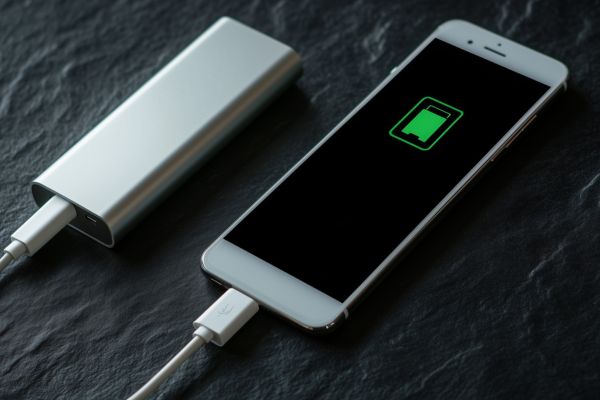
That shift explains why portable chargers for travel have become almost as essential as passports and headphones. They are no longer just backup accessories tucked into bags for emergencies. They have become everyday travel companions that help people stay connected while moving through airports, train stations, unfamiliar cities, and long stretches of transit.
The best travel chargers are not necessarily the biggest or most expensive ones. What matters most is how well they fit the pace and unpredictability of travel itself.
Why Portable Chargers Matter More Than Ever
Travel drains batteries quickly. Phones work harder when switching between networks, searching for signals, using GPS navigation, or running translation apps. Long travel days also mean more screen time. Travelers check directions repeatedly, stream entertainment during flights, scan digital boarding passes, and constantly communicate with friends or family.
Finding reliable charging outlets is not always easy either. Airports are crowded, public charging stations are often occupied, and some older hotels still have inconveniently placed power outlets. During long bus rides or train journeys, charging opportunities can feel almost random.
Portable chargers solve this problem by creating a sense of independence. Travelers no longer need to structure their day around finding wall outlets. That freedom becomes especially valuable during delays, layovers, outdoor adventures, or long sightseeing days.
There is also a subtle emotional comfort involved. A fully charged phone often feels like reassurance while traveling in unfamiliar environments.
Understanding Battery Capacity
One of the first things travelers notice when shopping for portable chargers for travel is battery capacity, usually measured in milliamp hours, or mAh.
Smaller chargers around 5,000mAh are lightweight and easy to carry in pockets or compact bags. They are useful for short outings or emergency top-ups during the day. A phone may receive roughly one full charge from a battery that size, depending on the device.
Mid-range chargers between 10,000mAh and 20,000mAh have become especially popular because they balance portability with practical charging power. They can recharge phones multiple times and often support tablets or smaller electronics as well.
Larger portable batteries can exceed 20,000mAh, but size and weight increase quickly. While these models may work well for long-haul travel or outdoor trips without electricity access, they can also become bulky enough to feel inconvenient during daily movement.
Capacity alone does not determine usefulness. Travelers often discover that the ideal charger is the one they are actually willing to carry consistently.
Weight and Portability Matter More Than People Expect
It is easy to underestimate how noticeable extra weight becomes during travel. A charger that feels manageable at home may become frustrating after hours of walking through airports, standing in security lines, or carrying a backpack around a city all day.
This is why many experienced travelers prioritize compact designs over maximum battery size.
Slim chargers fit more comfortably into jacket pockets or small crossbody bags. Rounded edges matter more than people expect when devices spend long periods pressed against other items in luggage. Cable management also becomes surprisingly important during rushed travel moments.
There is a point where oversized battery packs stop feeling convenient and start feeling like another electronic burden to carry.
Good travel gear usually disappears into the background instead of demanding constant attention.
Fast Charging Has Changed Expectations
Charging technology has improved dramatically in recent years. Older portable batteries sometimes needed several hours just to partially recharge a phone. Modern chargers are far faster and more efficient.
Fast-charging systems now allow compatible devices to regain significant battery life within short periods of time. This matters enormously during travel because charging opportunities are often brief and unpredictable.
A traveler waiting thirty minutes at an airport gate may recover enough battery power to last the rest of the day. That changes how people use their devices during trips.
Many portable chargers now support USB-C Power Delivery or other fast-charging standards capable of handling not only phones but also tablets and lightweight laptops. This reflects another modern travel reality: many people work remotely while traveling and depend heavily on portable electronics.
Charging speed has quietly become just as important as battery capacity itself.
Airline Restrictions and Travel Rules
Portable chargers create a slightly unusual travel situation because they contain lithium-ion batteries, which are subject to airline regulations.
Most airlines require portable battery packs to remain in carry-on luggage rather than checked bags. Capacity limits also exist, especially for larger battery packs designed for high-powered devices.
Travelers who frequently fly internationally often pay close attention to these rules because regulations may vary slightly between airlines or regions.
This has influenced the design of many modern portable chargers for travel. Manufacturers increasingly focus on creating airline-friendly batteries that maximize usable power while remaining within approved size ranges.
It is one of those details travelers rarely think about until airport security suddenly becomes involved.
The Rise of Multi-Device Charging
Travelers now carry more devices than ever before, which has changed expectations around charging accessories.
A single-port charger often feels limiting today. Many people want the ability to charge phones, earbuds, watches, or tablets simultaneously without carrying multiple separate battery packs.
Multi-port chargers have become increasingly common because they reduce clutter while simplifying packing. Some even include wireless charging surfaces or built-in cables to reduce the number of accessories travelers need to carry.
Minimalist packing trends have influenced this shift. Travelers increasingly prefer gear that performs multiple functions rather than carrying separate tools for every situation.
Convenience during travel often comes from reducing small frustrations rather than adding complicated solutions.
Outdoor Travel and Power Independence
Portable charging becomes even more important during outdoor or remote travel. Campers, hikers, road trippers, and long-distance travelers often spend extended periods without reliable electricity access.
In these situations, power banks become more than convenience tools. They become essential safety equipment.
Phones frequently serve as navigation devices, emergency contact systems, weather trackers, and digital maps during outdoor travel. Losing power in isolated areas can create genuine problems.
This has led to growing interest in rugged portable chargers designed to handle dust, moisture, temperature changes, and rough handling. Solar-assisted chargers have also gained attention, although real-world charging speeds often depend heavily on weather conditions and sunlight availability.
Outdoor travelers usually care less about sleek design and more about reliability under unpredictable conditions.
Travel Habits Are Changing Charging Needs
Not all travelers need the same type of charger because travel itself has become highly personalized.
Business travelers often prioritize slim, fast-charging batteries that fit easily into laptop bags and support multiple devices throughout busy workdays. Backpackers may focus more on battery longevity and durability. Casual vacation travelers sometimes prefer lightweight chargers designed for occasional use during sightseeing.
Digital nomads represent another growing category entirely. People working remotely while traveling often depend on portable power throughout entire days spent moving between airports, coworking spaces, cafés, and temporary accommodations.
This diversity has changed the portable charger market significantly. There is no longer a single “best” charger for everyone because travel styles vary so widely.
The ideal charger depends heavily on how someone moves through the world.
The Psychological Comfort of Staying Connected
There is an emotional side to portable power that people rarely discuss openly.
Travel can feel unpredictable even under normal circumstances. Flights get delayed, maps stop loading, language barriers appear unexpectedly, and plans shift constantly. A charged device provides a sense of stability within that uncertainty.
For solo travelers especially, battery life often feels connected to safety and confidence. Being able to contact someone, check directions, access reservations, or translate conversations creates reassurance in unfamiliar places.
Portable chargers quietly reduce a layer of travel anxiety that many people barely notice until their battery percentage drops dangerously low.
In that sense, these devices are not only about electronics. They are about maintaining connection, flexibility, and peace of mind while away from home.
Conclusion
The growing popularity of portable chargers for travel reflects how deeply technology has become woven into modern travel experiences. Phones, tablets, and connected devices now shape how people navigate cities, document experiences, communicate across borders, and manage daily logistics on the move.
A reliable portable charger does more than extend battery life. It creates flexibility during unpredictable travel days and reduces dependence on crowded outlets or inconvenient charging opportunities.
As travel habits continue evolving, portable charging technology will likely keep adapting alongside them. Batteries will become smaller, faster, and more efficient, while travelers themselves will continue expecting seamless connectivity wherever they go.
Still, the appeal of portable chargers remains surprisingly simple. They offer a small but meaningful sense of freedom in environments where so much else feels uncertain.