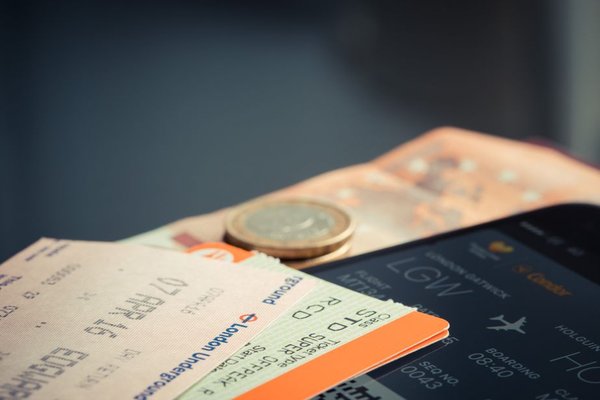

The cheapest way to book a return journey is not always to click “round trip.” Sometimes two separate one-way tickets cost less, especially when different airlines offer the best fare in each direction. Other times, a return fare wins comfortably once baggage, restrictions and the practical risks are included.
Which option usually costs less?
There is no universal winner. On many domestic routes, particularly in the United States, airlines price each direction separately, so buying two one-way flights may cost roughly the same as booking both directions together. Discounts and fare combinations can still change the result.
International journeys deserve closer scrutiny. Some traditional airline fares make a return ticket substantially cheaper than two standalone one-way fares, while low-cost and other carriers may price each leg independently. Route, travel dates, availability and fare rules matter more than any blanket rule about round trip airfare.
Compare the same dates, airports, cabin, baggage allowance and passenger details. A cheaper outbound flight at an inconvenient airport is not automatically the better deal.
When two one-way tickets can save money
Different airlines win in different directions
Suppose Airline A has an excellent fare to your destination but a pricey return. Airline B might offer a cheaper journey home. Split ticket booking lets you combine those offers instead of accepting one carrier’s prices for both legs. Mixed airline tickets can also provide better departure times or access to a nonstop flight in one direction.
Your plans might change halfway through
Separate bookings can make it easier to change or cancel just the return without altering the outbound reservation. That freedom has limits: each ticket still follows its own fare rules, and “changeable” does not necessarily mean free. A fare difference, service charge or lost nonrefundable value may apply.
You are using different airports
Flying into one city and home from another can be practical for a road trip or multi-stop holiday. Check a multi-city booking too; it may price better than two one-way tickets and can offer a simpler itinerary.
When a round-trip booking is the better choice
On some international routes, booking a one-way fare in each direction can be much more expensive than a return. Check this before assuming that independently priced domestic flights are a useful model for long-haul travel.
Be careful with unused segments. On many round-trip tickets, missing the outbound flight without arranging a change can cause the airline to cancel later flights on that same ticket, including the return. Read the airline’s no-show terms rather than treating the return segment as a standalone reservation.
The hidden costs that change the comparison
The base fare is only the starting point. Build a realistic total using the services you actually need:
Baggage: Compare cabin and checked-bag allowances for both directions. Different carriers may apply different size limits, weight limits and charges.
Seats and extras: An inexpensive fare can become less attractive after seat selection, priority boarding or other optional purchases.
Airport transfers: Consider the cost of reaching a different airport and the time lost getting there.
Changes and refunds: Check each fare’s conditions. Two independently purchased tickets can mean two sets of rules, fees and customer-service contacts.
For a useful companion comparison, review the basics of how to compare flight prices and what basic economy tickets include before paying.
A price comparison that changes after checkout
Imagine a round-trip fare of $430, including the baggage you need. Two one-way tickets initially look better: $190 outbound and $175 returning, or $365 altogether. That appears to save $65.
Now suppose the outbound carrier charges $30 for your bag and the return carrier charges $25. The separate-ticket total becomes $420. Your actual saving is just $10, assuming no other differences. If the cheaper return also lands at a less convenient airport, the apparent bargain may disappear entirely.
What happens if a flight is delayed or cancelled?
Separate outbound and return tickets several days apart do not automatically create a major connection risk. The more serious problem arises when travellers stitch together flights on different reservations with a short layover.
If the first flight arrives late and you miss the next independently booked flight, the second airline may treat you as a no-show. It is generally not obligated to rebook you for free simply because another airline delayed you. A protected connection on one through-ticket usually provides stronger rebooking arrangements, subject to its terms and applicable passenger rights.
Separate tickets may also require collecting and rechecking bags, passing immigration and security, and meeting the next airline’s check-in deadline.
If you build your own connection, leave a generous buffer, understand any transit-visa requirements and consider whether an overnight stop is safer. For planning such journeys, see our guide to airport connection times.
How to check both options before booking
Start with a round-trip search for your actual dates and note the all-in fare. Then search each direction separately, including other airlines and sensible nearby airports. Finally, test a multi-city itinerary if your journey involves different destinations.
Keep the fare type consistent and compare checked baggage, cancellation terms, total journey time and who handles disruptions. Google Flights supports round-trip, one-way and multi-city searches, but always confirm final prices and conditions with the booking provider before paying.
Check both tickets are available before purchasing the first. Fares can change between transactions, and a deal that depends on two separate purchases is not guaranteed until both are issued. For international travel, also confirm entry and onward-travel requirements; a one-way ticket may prompt additional questions even when your plans are legitimate.
Frequently asked questions
Is buying two one-way tickets cheaper than a round trip?
Sometimes. Separate flights can win when competing airlines offer low fares in opposite directions. A round trip can be cheaper on other routes, especially some international journeys. Compare complete totals rather than assume either option is always cheaper.
Can I book the outbound and return with different airlines?
Yes. Mixed airline tickets are common. You will typically manage each reservation separately and follow each airline’s baggage, refund and change policies.
Are two one-way tickets riskier?
Not necessarily when the flights are days apart. Risk rises if you use separate reservations for a tight connection, because a delayed first flight may leave you responsible for replacing the second ticket.
Should I buy one-way tickets if my return date is uncertain?
They can offer flexibility, but compare the price of a changeable return fare. Buying the second flight later may be expensive, especially during holidays or on routes with limited service.
The bottom line
Price both arrangements every time. Choose two one-way tickets when the verified savings or schedule advantages outweigh their separate rules. Choose round trip airfare when it offers the better total, easier management or stronger protection for connected travel. The best ticket is the one that still looks sensible after the extras and potential disruptions are counted.