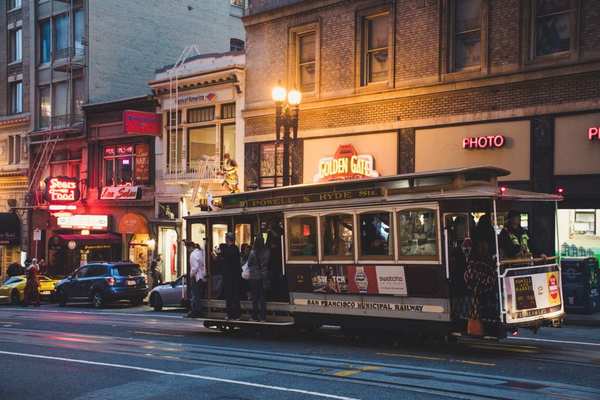

San Francisco is best explored one neighborhood and one good bite at a time. The city’s famous sourdough and seafood deserve attention, but its food story is much bigger: Cantonese dim sum, Mexican American burritos, Italian American seafood stew, and markets supplied by Northern California farms. A useful San Francisco food guide should help you taste those traditions without spending the entire day crossing town. Start with a few local classics, then choose food stops that fit naturally into your route.
San Francisco Signature Dishes Worth Seeking Out
Sourdough Bread: More Than a Bread Bowl
San Francisco sourdough is known for its tang, chewy interior, and firm crust. Boudin’s long association with the city’s baking history has made it a familiar stop, particularly around Fisherman’s Wharf. A clam chowder bread bowl is a fun waterfront experience, but don’t overlook a simple loaf from a neighborhood bakery. Tasting it plain, or with butter, lets the bread speak for itself. If you’re traveling, buy your take-home loaf near the end of the day rather than carrying it through every stop.
Cioppino, Dungeness Crab, and Waterfront Seafood
Cioppino is a San Francisco-born Italian American seafood stew, commonly served with a tomato-rich broth and a mix of fish or shellfish. It’s especially satisfying on a cool evening, when the city’s fog makes a warm bowl feel like part of the experience. Fisherman’s Wharf and nearby waterfront restaurants are familiar places to look for it. Ask what’s in the pot before ordering; the seafood mix can change with supply.
Dungeness crab is another signature, but availability and origin matter. Local crab seasons, fishing conditions, and market supply vary, so a restaurant serving Dungeness crab is not automatically offering a locally caught one. Ask whether it is fresh, previously frozen, or sourced from outside the Bay Area. That small question gives you a more accurate sense of what you’re paying for.
The Mission-Style Burrito
Built for a substantial meal, the Mission-style burrito is typically wrapped in a large flour tortilla and filled with combinations of meat or vegetables, beans, rice, salsa, and optional extras. Versions differ by taqueria, which is part of the appeal. Around 24th and Mission streets, places such as El Farolito make an easy starting point. A regular burrito can be plenty; order a super version only if you want the extras. Eat it soon after it’s wrapped, when the tortilla is still warm and the textures are at their best.
Where Neighborhoods Tell the City’s Food Story
Chinatown: Dim Sum and Bakery Stops
Chinatown is an essential stop for San Francisco local food, with steamed buns, har gow, siu mai, egg tarts, and other Cantonese favorites appearing in restaurants and takeaway shops. Walk beyond the most photographed stretch of Grant Avenue to explore Stockton Street’s busy food-shopping corridors. For a casual tasting, share two or three kinds of dumplings rather than filling up at the first counter. Some smaller businesses have limited seating or prefer cash, so carry a little alongside your card. Peak lunch periods can be crowded, particularly on weekends.
The Mission: Taquerias, Bakeries, and More
The Mission’s Mexican and Central American food traditions extend well beyond the burrito. Look for pan dulce in neighborhood bakeries, pupusas at Salvadoran restaurants, and tacos prepared to order. Twenty-Fourth Street is rewarding because you can combine food stops with independent shops and murals on nearby streets. Rather than making three heavy meals out of a single block, choose one main dish and one small bakery treat. It’s a better introduction to the neighborhood’s range.
The Richmond District: A Different Kind of Food Walk
The Richmond District, particularly Clement Street, offers another side of the SF food guide. Dumpling counters sit near Asian groceries, bakeries, and restaurants reflecting the area’s Chinese, Burmese, and other immigrant communities. Combine dumplings with a browse through local markets, then head toward Golden Gate Park. The Richmond is a worthwhile food destination in its own right, not merely a backup for Chinatown.
Make Time for the Ferry Building Marketplace
On the Embarcadero, the Ferry Building combines permanent food merchants with the Ferry Plaza Farmers Market. It’s a good place to understand the regional ingredients behind Bay Area eats: seasonal fruit, vegetables, bread, cheese, and prepared food. The outdoor farmers market currently runs Tuesday and Thursday from 10 a.m. to 2 p.m. and Saturday from 8 a.m. to 2 p.m.; check the organizer’s schedule before your visit, since special events and individual vendors can change.
Saturday has the broadest market atmosphere, but it can also be busy. Arrive toward opening for easier browsing and consider a small breakfast from a stall rather than a large sit-down meal. If your visit falls on a non-market day, the building’s indoor merchants still make the waterfront worth considering, though each shop sets its own hours. A California farmers markets guide can help you explore the region’s seasonal produce beyond this stop.
A Practical One-Day San Francisco Food Route
For a first food-focused day, group stops by geography instead of chasing a scattered list of famous restaurants. Begin at the Ferry Building in the morning for coffee, a pastry, and produce browsing if the farmers market is operating. From there, explore Chinatown for a late-morning dumpling snack. Allow time to walk, look into shops, and stop when something smells good rather than committing to a rigid reservation.
In the afternoon, use public transit to reach the Mission and make a burrito your main meal. The 24th Street Mission BART station is convenient for that neighborhood’s food corridor. If you’re still hungry in the evening, choose cioppino near the waterfront or a neighborhood restaurant close to your accommodation. This plan deliberately skips the Richmond: adding it would create too much cross-city travel for most first-time visitors. Save Clement Street for a second day paired with Golden Gate Park. A San Francisco neighborhood walking itinerary can help organize that extra day.
Frequently Asked Questions
What food is San Francisco most famous for?
Sourdough bread, Mission-style burritos, cioppino, and Dungeness crab are among its best-known specialties. Dim sum is equally important to a broader understanding of the city’s food culture.
Is Chinatown or the Richmond better for dim sum?
Both are excellent. Chinatown fits easily into a central sightseeing day; the Richmond rewards visitors who want neighborhood restaurants and a less tourist-focused food walk.
When should I visit the Ferry Plaza Farmers Market?
Saturday morning offers the widest market experience. Tuesday and Thursday markets are smaller and run around lunchtime. Confirm operating details before traveling.
Enjoy the City One Bite at a Time
The most memorable San Francisco meals often connect a dish with the street, market, or community behind it. Try the famous classics, but leave room for a bakery you notice while walking or a dumpling counter with a lively local queue. If your travels continue, a Bay Area food road trip makes a natural next chapter. The goal isn’t to eat everything; it’s to taste enough of the city’s different traditions to want to return.